

Moving in with a host family often means adapting to a bedroom that isn’t quite yours yet, in a climate you’ve never experienced before. If you’ve landed somewhere with real winters for the first time, your sleep might suffer before you even notice why. The good news is that a few small adjustments to your room can make a surprisingly big difference.
Why Your New Climate Throws Off Your Sleep
Your body is used to a certain rhythm of temperature, light and humidity from home. When you suddenly find yourself in a country with longer, darker winters, your internal clock has to recalibrate. Add in central heating systems you’ve never dealt with, radiators that dry out the air, or windows that let in more cold than you expected, and it’s no wonder many au pairs report restless nights during their first few months abroad.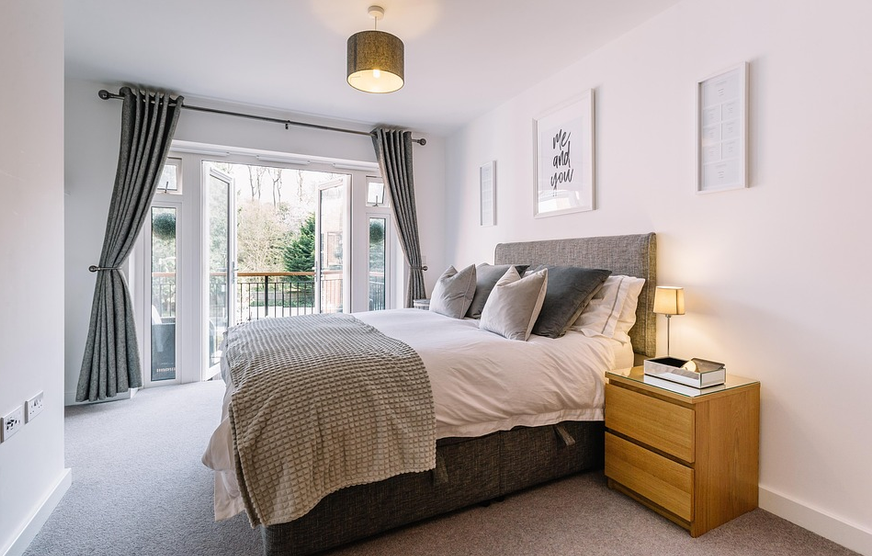
Talk to Your Host Family About the Room
Most host families want you to feel comfortable, but they may not realize your room runs too hot, too cold, or too dry until you say something. It’s worth asking early on whether the heating can be adjusted in your space specifically, or whether there’s a spare blanket or humidifier somewhere in the house. A short, friendly conversation can solve a problem that might otherwise linger for weeks.
Build a Winter-Ready Sleep Setup
Once you understand the room you’re working with, there are a few concrete changes worth making. Layering your bedding instead of relying on one heavy duvet lets you adjust warmth night to night, which matters a lot when host families keep different heating schedules than you’re used to. Keeping the room a touch cooler than feels cozy when you first get into bed actually helps your body settle into deeper sleep, even if it seems counterintuitive. If the air in your room feels unusually dry from radiators or forced-air heating, a bowl of water near the heat source or a small humidifier can ease dry skin, scratchy throats, and the stuffy feeling that often comes with winter indoor air. For a fuller breakdown of ideal temperatures, bedding layers, humidity levels and light exposure, the Sleep Foundation has put together a seasonal guide that’s genuinely useful if you want to fine-tune your setup room by room. It’s especially handy when you’re trying to explain to a host family, in a new language, exactly what you need to sleep well.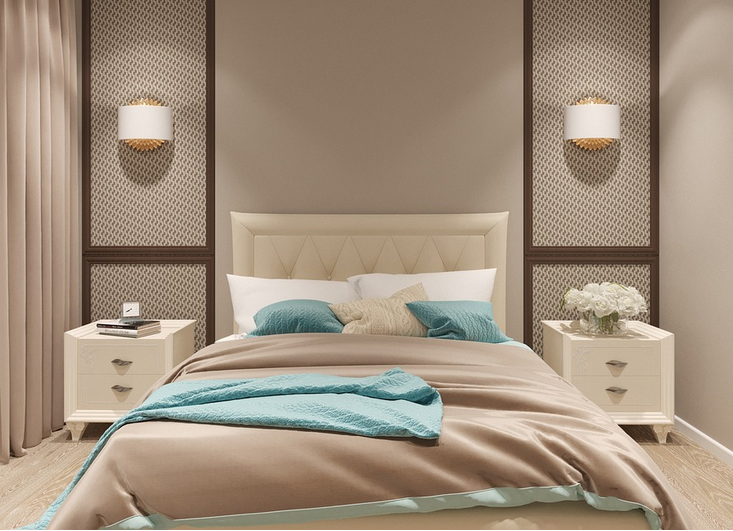
Managing Darkness and Daylight
Winter in many northern countries means losing daylight fast, sometimes dramatically compared to where you grew up. This can mess with your sense of time and make it harder to wind down at a consistent hour. Try to get outside during whatever daylight exists, even for a short walk with the kids you’re caring for, and keep your room dark and distraction-free once it’s time to sleep. Blackout curtains, if your host family doesn’t already have them, are a small investment that pays off quickly.
Give Yourself Time to Adjust
Adapting to a new bedroom, a new climate, and a new household rhythm all at once is a lot to ask of your body. Be patient with yourself over the first few weeks, and don’t hesitate to experiment with small changes until your room finally feels like a place where you can properly rest.