
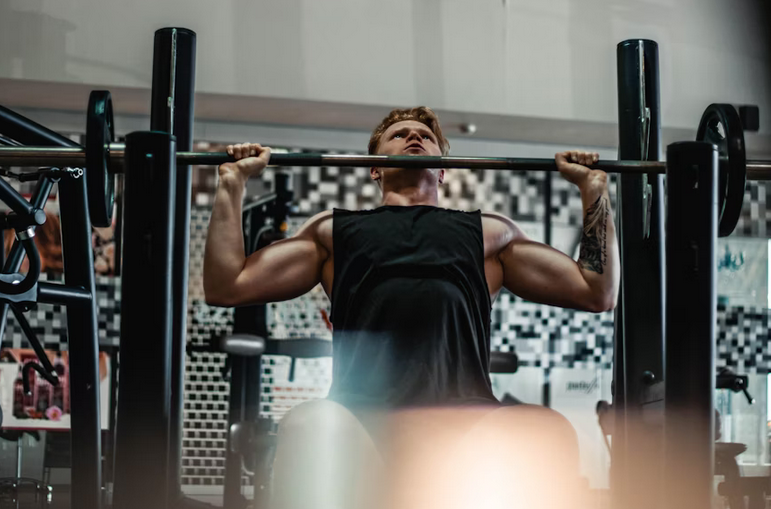
Bodyweight vs. Weights: Which Builds Muscle Faster?
If you’re chasing muscle gains, one of the biggest questions you might face is whether to focus on bodyweight training or lifting weights. Both training styles can build strength, improve endurance, and help you look and feel stronger—but which is actually better (and faster) for building muscle? The answer isn’t as simple as you might think. Let’s break down how each method works, and how to decide what’s right for your body and goals.
Progressive Overload and Why It Matters
One of the key principles behind muscle growth is progressive overload—continually increasing the difficulty of your workouts so your muscles are forced to adapt. With weights, this is straightforward: you can just add more weight to your lifts. With bodyweight training, you have to get creative by adjusting tempo, increasing reps, or trying more advanced variations like pistol squats or one-arm push-ups. Regardless of your approach, pairing consistent training with the best protein powders for workout results can support your recovery and help you grow faster.
Muscle Engagement and Range of Motion
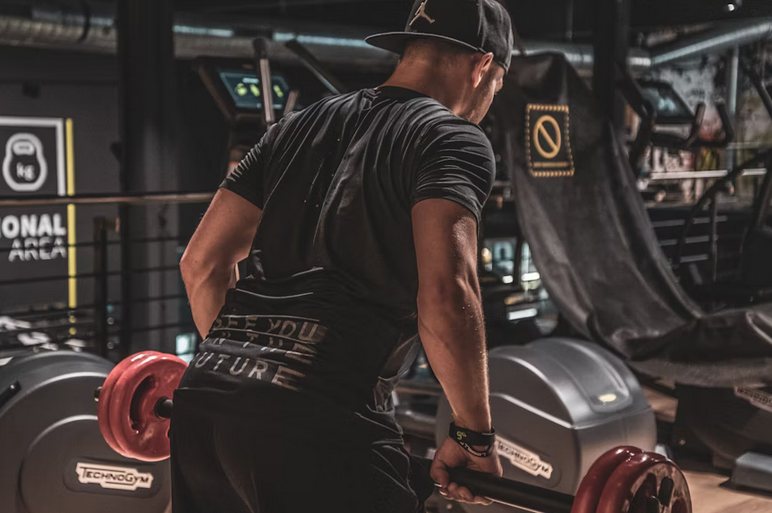
Weight training often allows for a greater range of motion and more isolated muscle targeting. That means you can really focus on developing specific muscles with exercises like bicep curls, bench presses, or leg presses. Bodyweight exercises, on the other hand, often work multiple muscle groups at once. While that’s great for overall functional strength, it may be harder to target smaller muscles unless you’re very advanced. If you’re looking to sculpt specific areas, weights give you more precision.
Convenience and Accessibility
Bodyweight training has one huge advantage: you can do it anywhere, anytime, with no equipment needed. That makes it perfect for busy schedules, travel, or people who don’t have access to a gym. Weight training requires gear—whether it’s dumbbells, barbells, or resistance machines—which can be a barrier for some. That said, if you’re committed to progressive strength training and building size quickly, having access to weights gives you more flexibility and long-term potential.
Speed of Muscle Growth
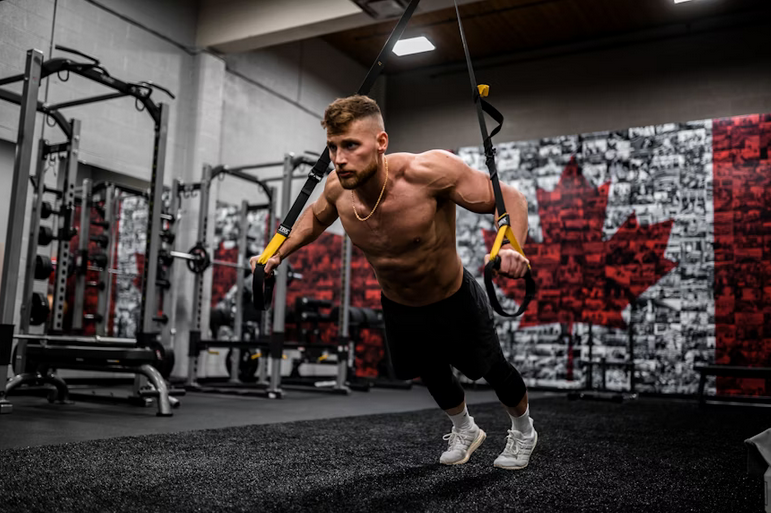
If your goal is to pack on muscle as efficiently as possible, weight training generally has the edge. The ability to apply heavier loads to your muscles with more control accelerates hypertrophy (aka muscle growth). Bodyweight exercises can still build significant muscle, especially for beginners, but there’s typically a limit to how fast and how far you can push that growth unless you introduce more advanced calisthenics techniques or add resistance (like a weighted vest).
Injury Risk and Recovery
Both training styles come with injury risks if done improperly, but weights often carry a higher risk for strain or injury, especially when lifting heavy without proper form. Bodyweight exercises tend to be easier on the joints and better for improving mobility and coordination. They also often allow for quicker recovery, which can help you stay more consistent in the long run. That said, a well-designed program—bodyweight or weighted—should always include rest, good form, and smart progression to avoid setbacks.
When it comes to building muscle, both bodyweight and weight training can get the job done. Weight training is generally faster and more efficient for hypertrophy, thanks to its ability to overload muscles with precision. Bodyweight training shines when it comes to convenience, functional strength, and injury prevention. Ultimately, the best method is the one you’ll stick with consistently. And remember—mixing both can give you the best of both worlds: a strong, well-rounded, and resilient body.…
Bodyweight vs. Weights: Which Builds Muscle Faster? Read More »

 Since they’re relatively easy to grasp, we adore those
  The Squat Boost to Armpit, the Power increase imitates Olympic lifting principles, fast jumps like moves, and upper body pulling actions. Not only is that a fantastic vertical leap exercise but also, it imitates a powerful finishing movement for players and guards that end in the street. It would help if you visualized completing in visitors when doing this exercise, and you ought to develop the power to achieve shots.

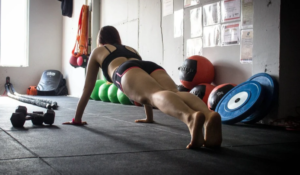 Total body exercises involve numerous muscle groups. Gyms offer fairly effective total body workouts that are often performed regardless of body weight, without the need for equipment. You can combine strength training with aerobic exercise and prepare to do a burpee or squat push. You can start in a standing position, then squat down and place your palms on the floor, then jump your legs back and hold the plank position. You can also perform a push-up, then jump back to the squat position while keeping your palms on the floor. For the last part, unload into a squat and jump into the air as far as you can.
 There are many different types of yoga therapy to treat unique ailments and problems. This is not an exaggeration of any kind, but an amazing fact experienced with individuals who have signed up for yoga therapy. While millions of people worldwide currently use yoga as a type of physical exercise and just as many to acquire spiritual liberation, the number of people using yoga as a remedy is its main area of growth.
 Therapeutic yoga is the philosophy, science, and art of adapting classical yoga techniques in contemporary settings to address people’s physical, emotional, and mental ailments. The late master B.K.S. Iyengar explained it best, “Yoga teaches us to cure what must not be sustained and to endure what cannot be healed.” Perhaps this is what distinguishes yoga for treating different regions.

 Solutions are unique for every case, and the best clinics employ experts who address the distinct needs of their patients. They combine a selection of techniques that target specific problems. There are unique detox processes that could also be included to have the ability to remove
  They keep a food log and track their progress by checking to see if they are reaching targeted goals. Evaluated practices implement ongoing feedback and the psychological aid that dieters often need to be victorious. They encourage individuals to eat healthy foods, cut back on food, and incorporate regular physical exercise into their everyday routine. They become confidential cheerleaders and invite sufferers over and over again.