
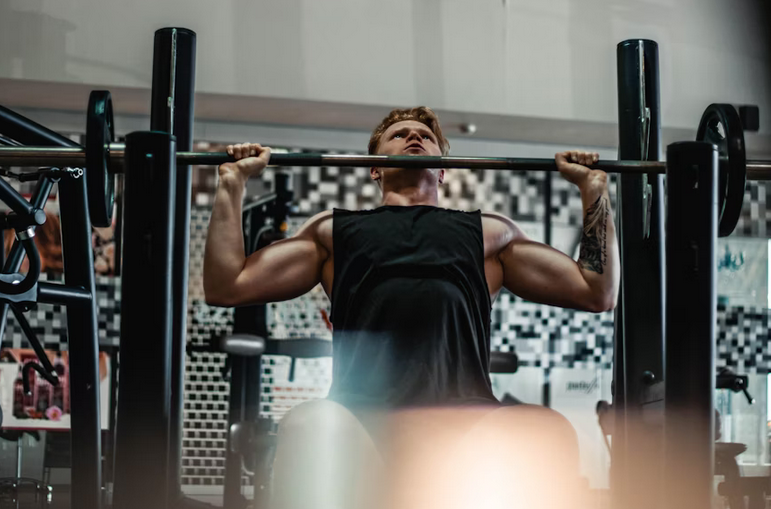
If you’re chasing muscle gains, one of the biggest questions you might face is whether to focus on bodyweight training or lifting weights. Both training styles can build strength, improve endurance, and help you look and feel stronger—but which is actually better (and faster) for building muscle? The answer isn’t as simple as you might think. Let’s break down how each method works, and how to decide what’s right for your body and goals.
Progressive Overload and Why It Matters
One of the key principles behind muscle growth is progressive overload—continually increasing the difficulty of your workouts so your muscles are forced to adapt. With weights, this is straightforward: you can just add more weight to your lifts. With bodyweight training, you have to get creative by adjusting tempo, increasing reps, or trying more advanced variations like pistol squats or one-arm push-ups. Regardless of your approach, pairing consistent training with the best protein powders for workout results can support your recovery and help you grow faster.
Muscle Engagement and Range of Motion
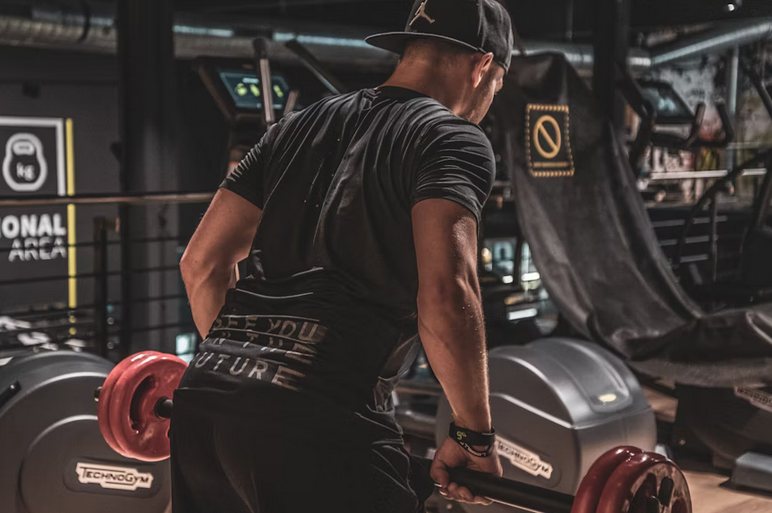
Weight training often allows for a greater range of motion and more isolated muscle targeting. That means you can really focus on developing specific muscles with exercises like bicep curls, bench presses, or leg presses. Bodyweight exercises, on the other hand, often work multiple muscle groups at once. While that’s great for overall functional strength, it may be harder to target smaller muscles unless you’re very advanced. If you’re looking to sculpt specific areas, weights give you more precision.
Convenience and Accessibility
Bodyweight training has one huge advantage: you can do it anywhere, anytime, with no equipment needed. That makes it perfect for busy schedules, travel, or people who don’t have access to a gym. Weight training requires gear—whether it’s dumbbells, barbells, or resistance machines—which can be a barrier for some. That said, if you’re committed to progressive strength training and building size quickly, having access to weights gives you more flexibility and long-term potential.
Speed of Muscle Growth
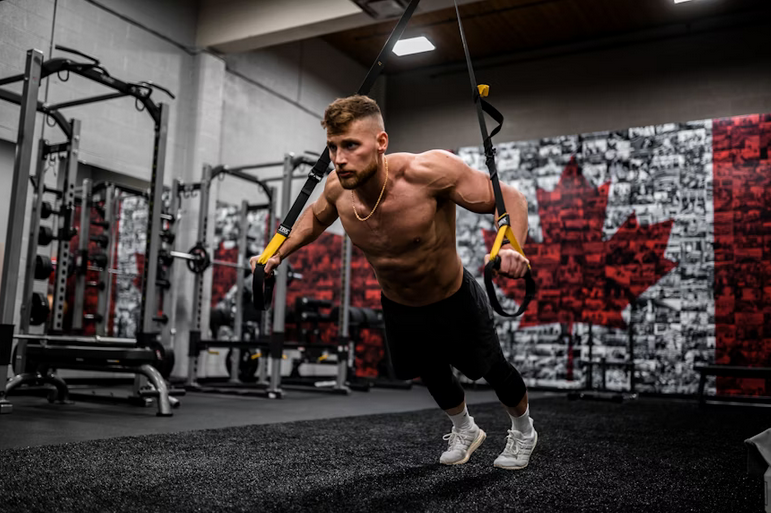
If your goal is to pack on muscle as efficiently as possible, weight training generally has the edge. The ability to apply heavier loads to your muscles with more control accelerates hypertrophy (aka muscle growth). Bodyweight exercises can still build significant muscle, especially for beginners, but there’s typically a limit to how fast and how far you can push that growth unless you introduce more advanced calisthenics techniques or add resistance (like a weighted vest).
Injury Risk and Recovery
Both training styles come with injury risks if done improperly, but weights often carry a higher risk for strain or injury, especially when lifting heavy without proper form. Bodyweight exercises tend to be easier on the joints and better for improving mobility and coordination. They also often allow for quicker recovery, which can help you stay more consistent in the long run. That said, a well-designed program—bodyweight or weighted—should always include rest, good form, and smart progression to avoid setbacks.
When it comes to building muscle, both bodyweight and weight training can get the job done. Weight training is generally faster and more efficient for hypertrophy, thanks to its ability to overload muscles with precision. Bodyweight training shines when it comes to convenience, functional strength, and injury prevention. Ultimately, the best method is the one you’ll stick with consistently. And remember—mixing both can give you the best of both worlds: a strong, well-rounded, and resilient body.