
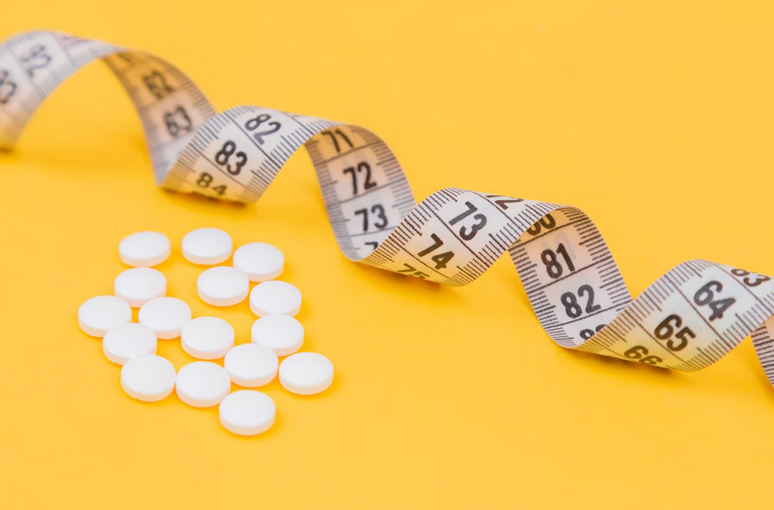
In the age of quick fixes and overnight transformations, weight loss capsules have surged in popularity. Promising fast results with minimal effort, these pills attract countless individuals looking to shed pounds. But with popularity comes misinformation. From miracle claims to flat-out fiction, there’s no shortage of myths surrounding these products. Are you thinking of taking supplements? read this first. Let’s clear the air by examining—and debunking—four of the most common myths about weight loss capsules.
Weight Loss Capsules Work Without Diet or Exercise
This is perhaps the most widespread and misleading myth of them all. Some advertisements would have you believe that all it takes is a pill a day to lose fat, no need to change your diet or lift a finger. The truth? Weight loss capsules may support fat loss, but they are not a substitute for healthy habits.
Most effective capsules work by curbing appetite, increasing metabolism slightly, or aiding in fat breakdown, but they only yield results when paired with reduced calorie intake and consistent physical activity. Relying solely on a supplement while ignoring nutrition and exercise is like expecting a car to run on oil without gas. It just doesn’t happen.
All Weight Loss Capsules Are the Same

Another false belief is that all weight loss capsules have the same ingredients and results. Walk into any store for supplements or browse online, and you’ll see a dizzying variety of products—thermogenics, appetite suppressants, carb blockers, fat burners—the list goes on.
Each of these types functions differently and contains varied ingredients, such as caffeine, green tea extract, CLA (conjugated linoleic acid), or fiber-based components. Some are stimulant-based, while others use more subtle mechanisms. Assuming they all work the same can lead to disappointment or worse, unexpected side effects. Always research ingredients individually and understand what you’re putting into your body.
If It’s Natural, It Must Be Safe
It’s common to assume that “natural” means harmless, but this belief can be risky. Many weight loss capsules promote themselves as herbal or plant-based, giving a sense of safety and gentleness. However, natural doesn’t always equal safe—poison ivy is natural, after all.
For example, supplements with high doses of bitter orange or unregulated green tea extracts have been linked to side effects such as elevated heart rate, dizziness, or digestive issues. Even some “clean label” capsules may interact poorly with medications or underlying health conditions. It’s important to consult a healthcare professional and research thoroughly before adding any supplement to your routine, regardless of how natural it claims to be.
More Is Better

Another misconception is that taking a higher dose will accelerate weight loss. This idea is not only ineffective but potentially dangerous. Capsules are formulated with specific dosages intended to be effective within safe limits. Increasing the dose won’t necessarily speed up fat loss—it may just increase the likelihood of side effects like nausea, jitteriness, or elevated blood pressure.
This myth is also fueled by the belief that supplement use alone is the answer. But more capsules won’t fix a poor diet, sedentary lifestyle, or inconsistent sleep patterns. A balanced approach that includes moderation and consistency will always outperform excessive reliance on pills. Discipline, not dosage, is what drives long-term results.